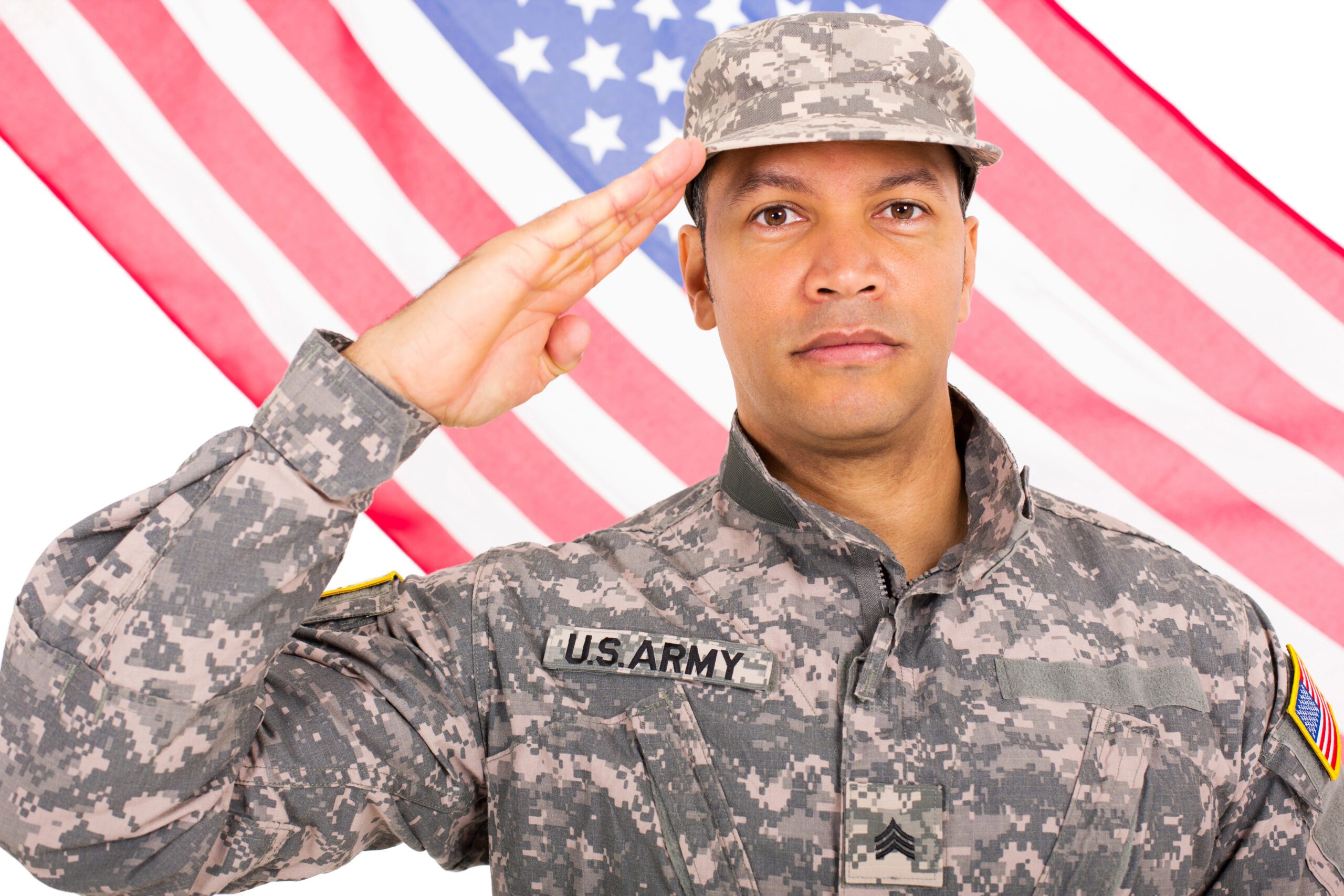
It’s one of those tongue-in-cheek jokes that circulates in gay male culture: “The Navy is the gayest branch of the military, the Air Force is for pretty boys, and all Marines are gay bottoms.” Of course, these aren’t literally true — they’re camp exaggerations, part humor and part fantasy. But like so many gay jokes, they tell us something deeper about how gay men relate to masculinity, sexuality, and even our own mental health.
Why the Military Became a Gay Symbol
For decades, the U.S. military has held a strange dual role in gay men’s lives. On the one hand, it was historically one of the harshest environments for LGBTQ people — think dishonorable discharges, witch hunts, and the “Don’t Ask, Don’t Tell” years. On the other hand, military imagery has been eroticized in gay culture: sailors, uniforms, tattoos, and shore-leave fantasies.
The Navy was branded “the gayest branch” because of long deployments, close camaraderie, and cultural stereotypes. The Air Force gets the reputation of being “softer” or more “metro.” And the Marines? With their hyper-macho image of strength and aggression, gay humor flips the script: if you’re the “toughest guy in the room,” the joke is that you must secretly crave the receptive role in bed.
Camp, Irony, and Reclaiming Masculinity
At its core, this is camp. It’s the way gay men often take the symbols of hegemonic masculinity — soldiers, jocks, cowboys — and invert them. The “straightest” or “toughest” archetype becomes the gayest fantasy. There’s both humor and defiance in this: it’s saying, you can try to monopolize masculinity, but we’ll take it and make it ours.
For some men, these images are liberating. They give permission to see masculinity as playful, erotic, and not limited to straight scripts. For others, they can also be confusing — because the gap between fantasy and reality is wide. Real gay Marines (and sailors, and airmen, and soldiers) are diverse, not cartoon characters. Some may feel pressured to “perform” masculinity in ways that don’t fit them.
Where Mental Health Comes In
These jokes and fantasies may be lighthearted, but they connect to bigger themes that often come up in therapy with gay men:
- Masculinity Pressure: Many gay men wrestle with questions like “Am I masculine enough?” or “Do I fit the image that other men want?” Jokes about Marines or sailors reflect that pressure in exaggerated form.
- Role Stereotypes: Just as the Marine stereotype paints them as bottoms, gay men often feel boxed into roles (top/bottom, masc/fem, dominant/submissive). These roles can be fun in fantasy, but they can also feel restrictive when they define our worth.
- Sexual Shame vs. Sexual Empowerment: Some men laugh at “gay Marine” jokes as playful liberation. Others feel shame because their desires don’t match the stereotype. Therapy can help unpack where shame ends and authentic empowerment begins.
- Community & Belonging: Even campy jokes remind us that we’re part of a community with shared references and humor. That sense of belonging can be healing in itself.
Post-Nut Clarity, Sex Roles, and Self-Awareness
I’ve written about “post-nut clarity” — that shift in perspective right after orgasm where everything suddenly looks different. The Marine stereotype fits here, too. Sometimes the fantasy of a hyper-macho top, or a submissive “secret bottom,” feels powerful in the moment but less relevant afterward. Recognizing the difference between fantasy and long-term fulfillment is part of healthy sexual self-awareness.
That’s where frameworks like the Six Principles of Sexual Health (developed by Michael Vigorito, LMFT, CST-S, and Doug Braun-Harvey, LMFT) can help. Instead of chasing rigid roles or stereotypes, these principles — consent, non-exploitation, honesty, shared values, protection, and pleasure — provide a way to assess whether sex is healthy and empowering for you.
From Stereotypes to Sexual Self-Empowerment
At GayTherapyLA, I often use the phrase sexual self-empowerment. It means moving beyond shame, beyond rigid roles, beyond what culture (or porn, or gay memes) says you “should” be, and stepping into sex and relationships that feel authentic.
Whether you’re a Marine, a civilian, or anyone else, empowerment means recognizing:
- You are not defined by roles like top/bottom unless you want to be.
- You are not measured by how “masculine” or “feminine” others perceive you.
- Your sex life is yours to author, with integrity, creativity, and pride.
To learn more about cultivating confidence in your sex life, explore my course Improving Sexual Confidence for Gay Men.
A Call to Action
So, no — not all Marines are gay bottoms. But the fact that the joke exists tells us something about how gay men play with, parody, and challenge masculinity. It also reminds us how much mental health and sexual health overlap in our community.
If you’ve ever felt boxed in by stereotypes, roles, or shame, therapy and coaching can help you move toward sexual self-empowerment.
- If you’re a gay man in California seeking psychotherapy, visit GayTherapyLA.com.
- If you’re outside California, I offer coaching anywhere in the U.S. or worldwide through GayCoachingLA.com.
- Or call/text me at 310-339-5778 to schedule a free 15-minute consultation.
Ken Howard, LCSW, CST is a gay men’s specialist psychotherapist and Certified Sex Therapist with over 30 years of experience helping gay men overcome shame, strengthen relationships, and live authentically. He is also a Certified Psychiatric Social Worker and has taught couples therapy and LGBT clinical practice at USC. Through therapy, coaching, and advocacy, his mission is to empower gay men to thrive personally, professionally, and sexually.
